Latest posts
-
Method of Initial Rates: Rate Laws & Worked Problems

Determine reaction orders and rate laws from initial-rate data, calculate the rate constant and its units, and solve four original experimental examples.
-
Buffers and pH Made Clear: Henderson–Hasselbalch with Worked Problems

Learn college-level buffer calculations: Henderson–Hasselbalch, acetate buffer pH, strong-acid additions, capacity and worked practice.
-
Chemical Equilibrium Explained: Q vs. K, ICE Tables, and Worked Examples
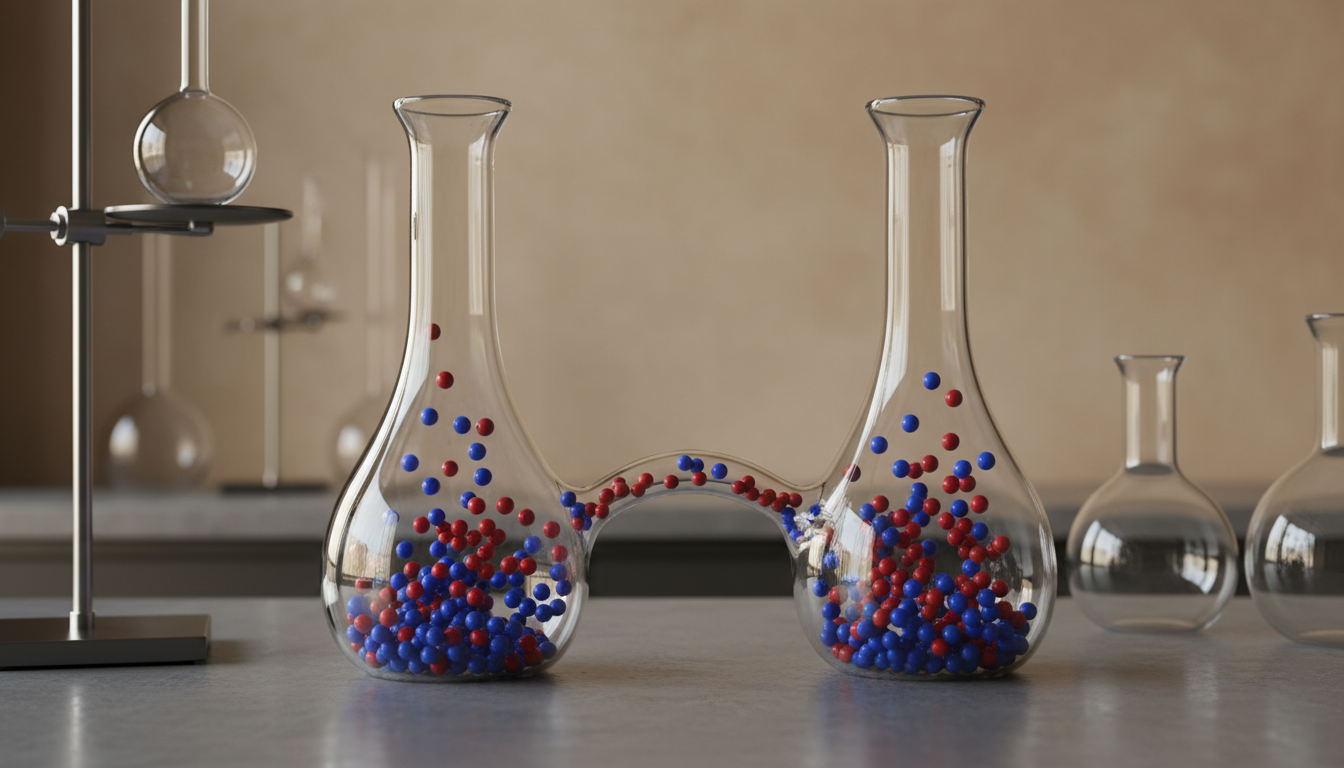
Master chemical equilibrium with Q vs. K, an illustrated ICE table, a complete worked problem, common mistakes and practice answers.
-
Do Lemons and Oranges Smell Different Because of Mirror-Image Molecules? The Chemistry Myth

The classic lemon-vs-orange limonene story is misleading. Explore the real stereochemistry of citrus aromas, carvone enantiomers, and scientific evidence.
-
Scientists Found Alcohol in Space: How Astronomers Detect Molecules Light-Years Away

Webb found ethanol in interstellar ices. Learn how infrared spectroscopy identifies molecules around young stars and in exoplanet atmospheres.
-
Why Do Glow Sticks Glow? The Fascinating Chemistry of Light Without Electricity
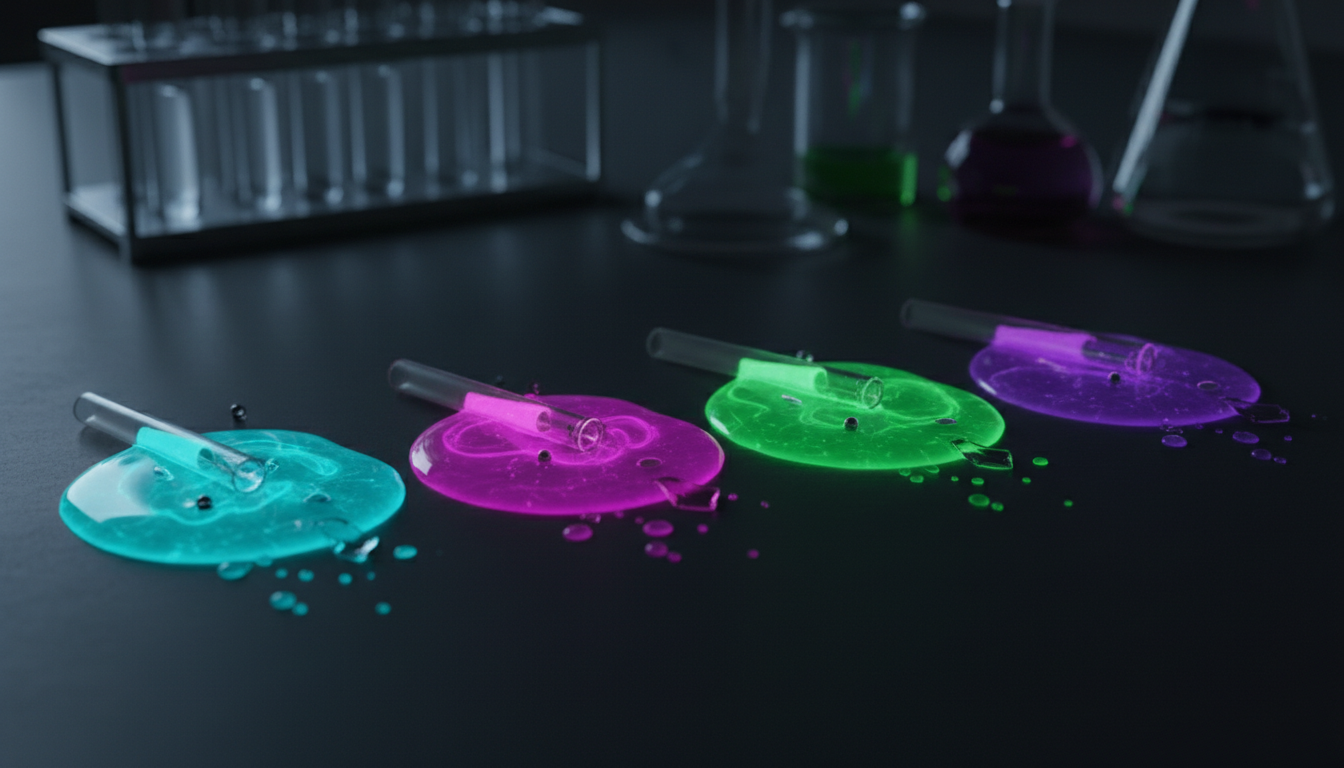
Discover how glow sticks make light, why temperature changes brightness, and how chemiluminescence connects to fireflies and forensic science.
-
8 Amazing Interactive Chemistry Websites That Make Learning Fun

Explore eight interactive chemistry websites with molecular simulations, real spectra, an interactive periodic table, and quick chemistry challenges.
-
Caffeine and Coffee: An Organic Chemistry Guide to Extraction

Learn how caffeine is separated from coffee through solubility, polarity, liquid-liquid extraction, acid-base chemistry, and commercial decaffeination.
-
How to Solve Stoichiometry Problems: A Step-by-Step Guide With Practice
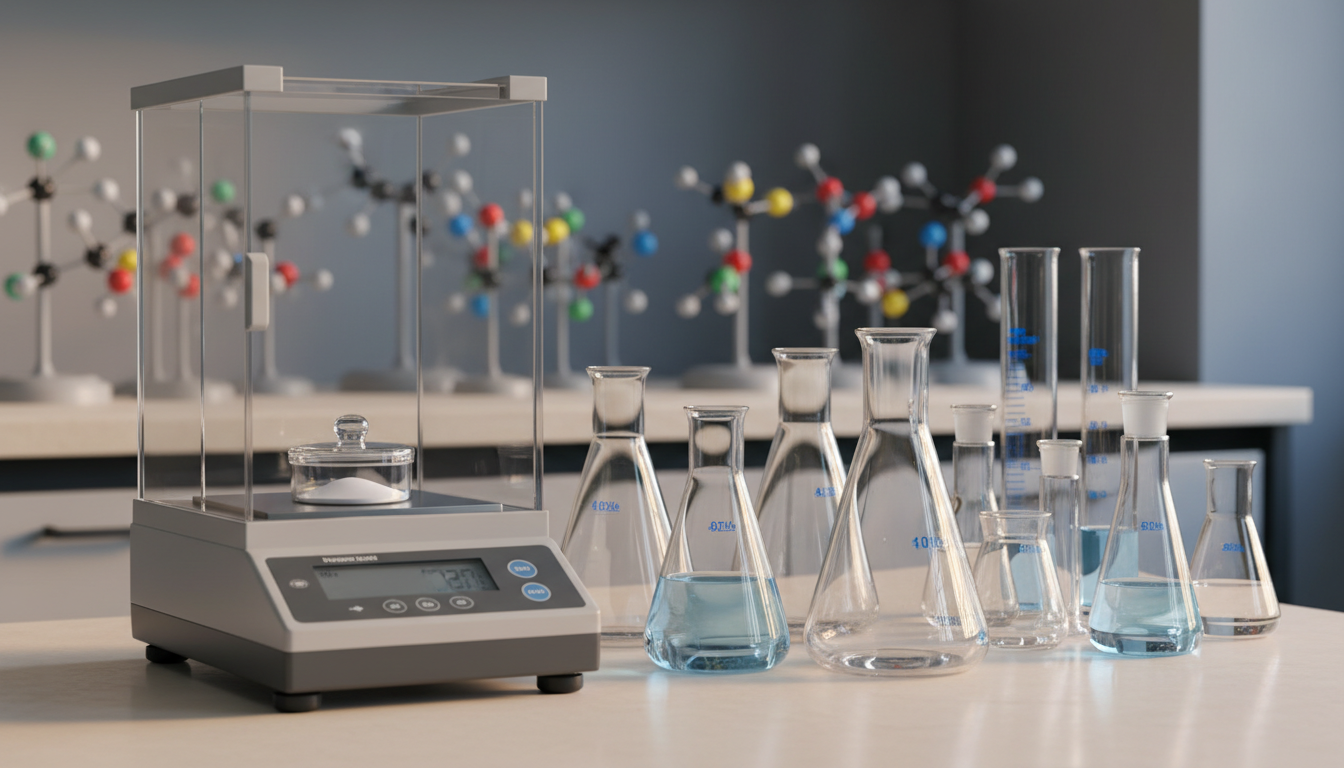
Learn stoichiometry step by step with four worked examples, limiting reactants, percent yield, and a free 12-question worksheet with answer key.
-
The Importance of STEM Education in Chemistry
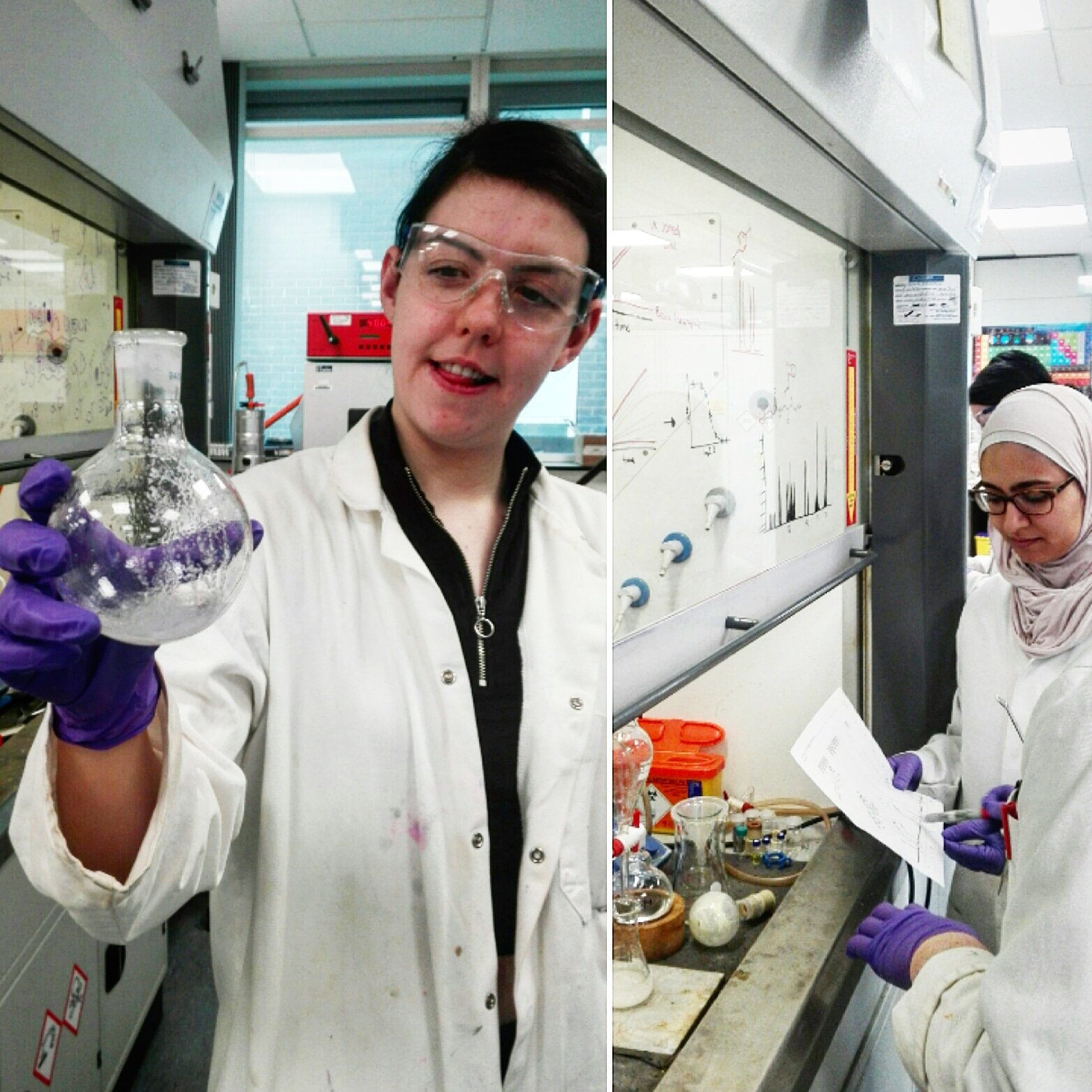
Discover how chemistry builds quantitative reasoning, molecular understanding, and scientific evidence skills across STEM education.