Latest posts
-
How to Read a Mass Spectrum: Molecular Ion, Base Peak, and Isotope Patterns
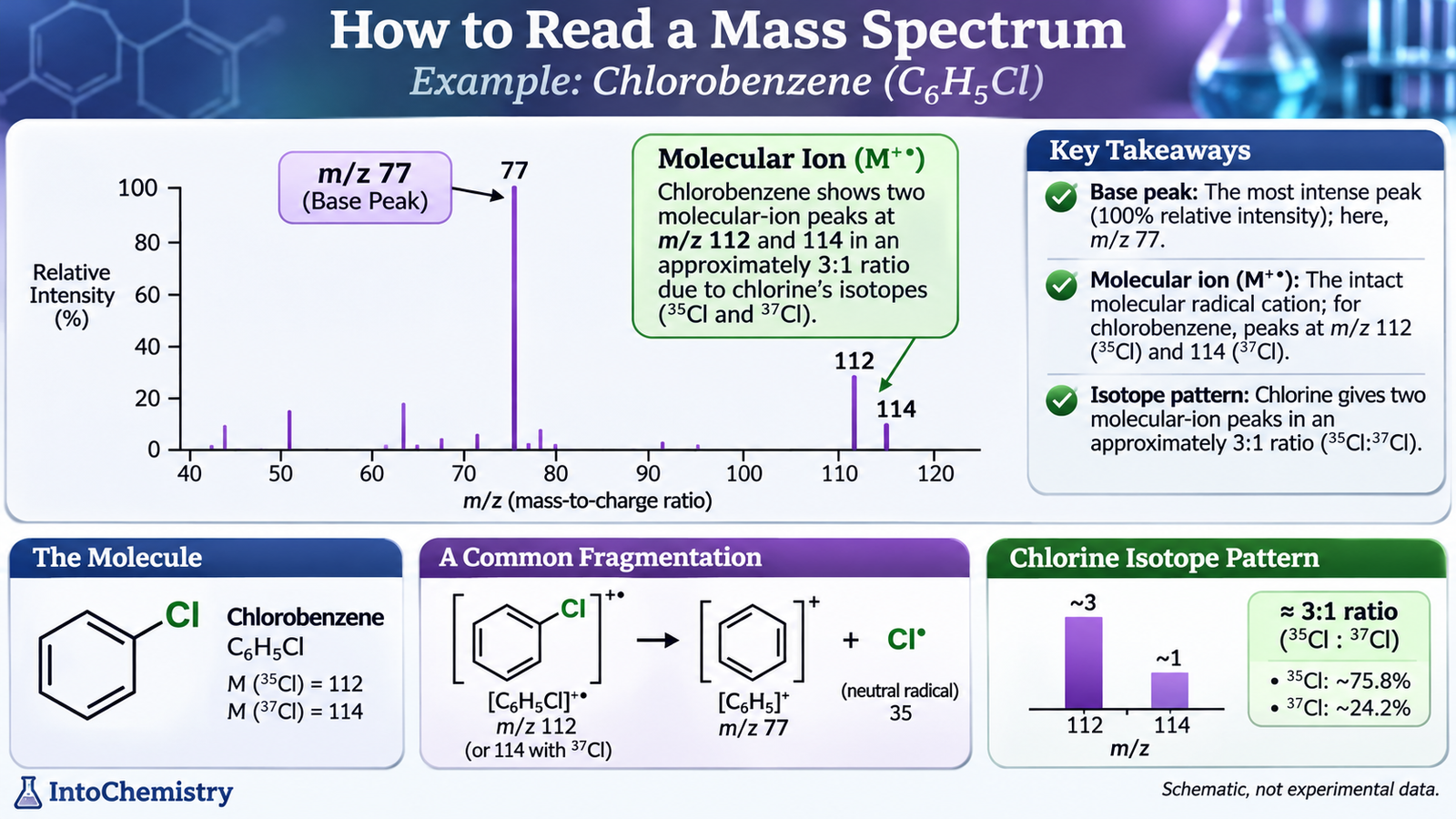
Learn a five-step method for electron-ionization mass spectra with original worked examples: acetone, toluene, chlorine, bromine, and dichloromethane.
-
Why Does Road Salt Melt Ice—and Why Does It Stop Working in Extreme Cold?
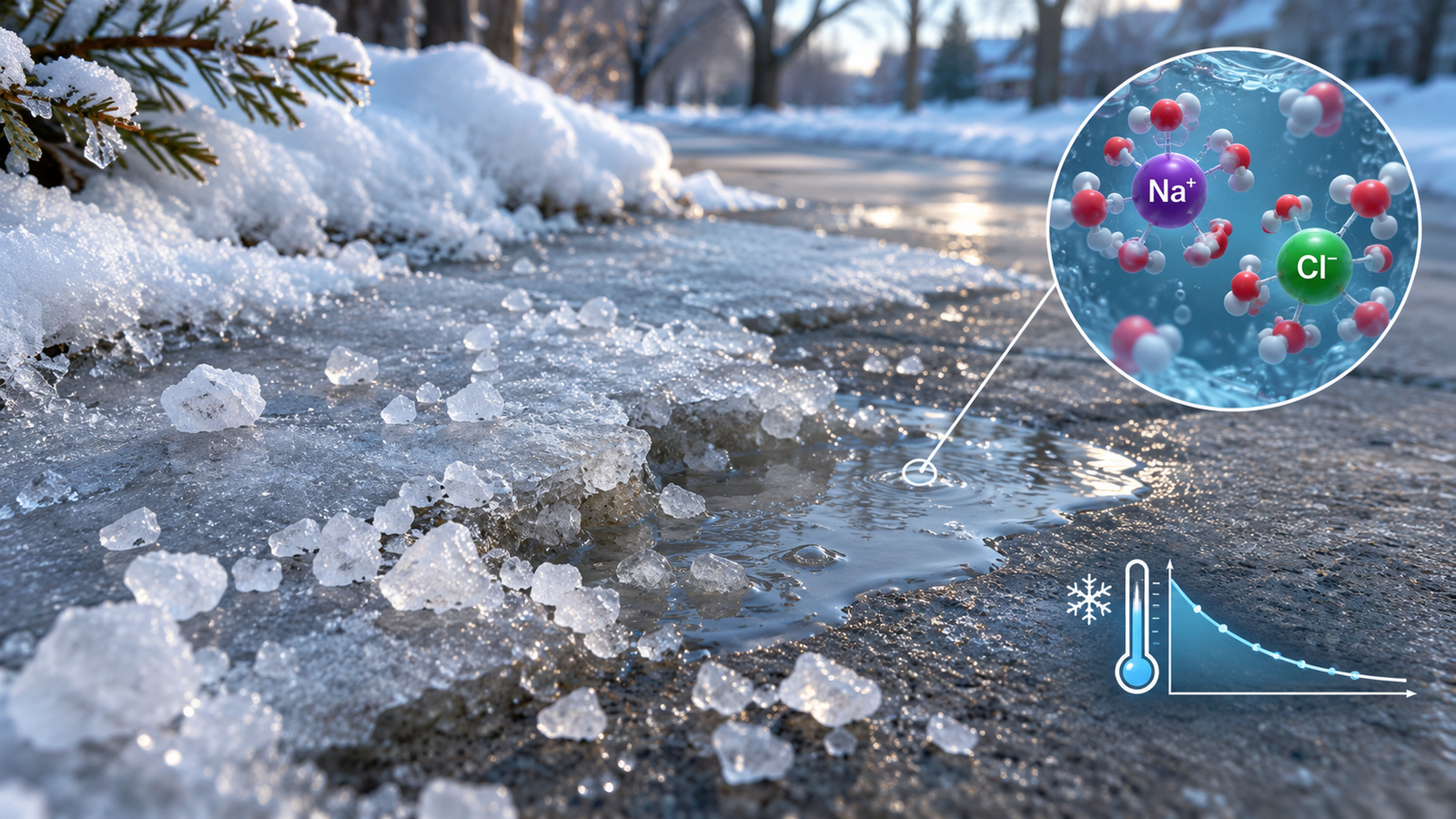
Learn how road salt creates brine, why freezing-point depression works, the difference between 15°F and −6°F, and the environmental tradeoffs.
-
Why Do Solvents Damage Plastic? The Chemistry of PLA, PETG, and Polymer Degradation
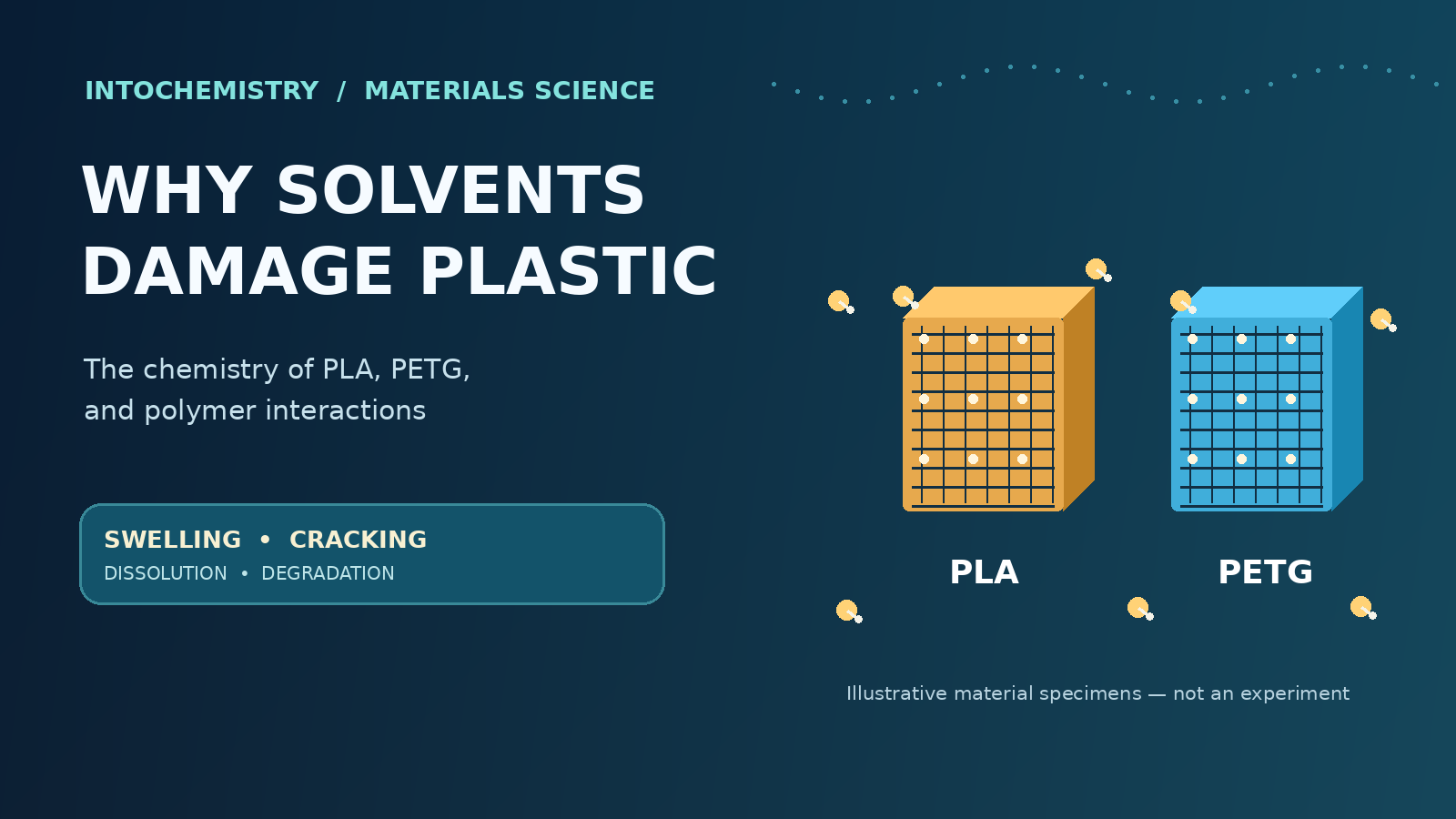
Why do solvents swell, crack or dissolve plastics? Explore PLA and PETG chemistry, research-tested exposure conditions, and safer material choices.
-
Why General Chemistry Students Struggle With Math—and How Readiness Support Can Help
What research says about math readiness in General Chemistry I and II—and how targeted diagnostics, accessible lessons, and just-in-time practice can help.
-
50 More MCAT-Style Chemistry Practice Questions — Set 2
50 new, original MCAT-style General and Organic Chemistry practice questions: six experimental passages, 20 independent items, automatic raw scoring, and detailed answer explanations.
-
How to Draw Resonance Structures: 10 Worked Examples
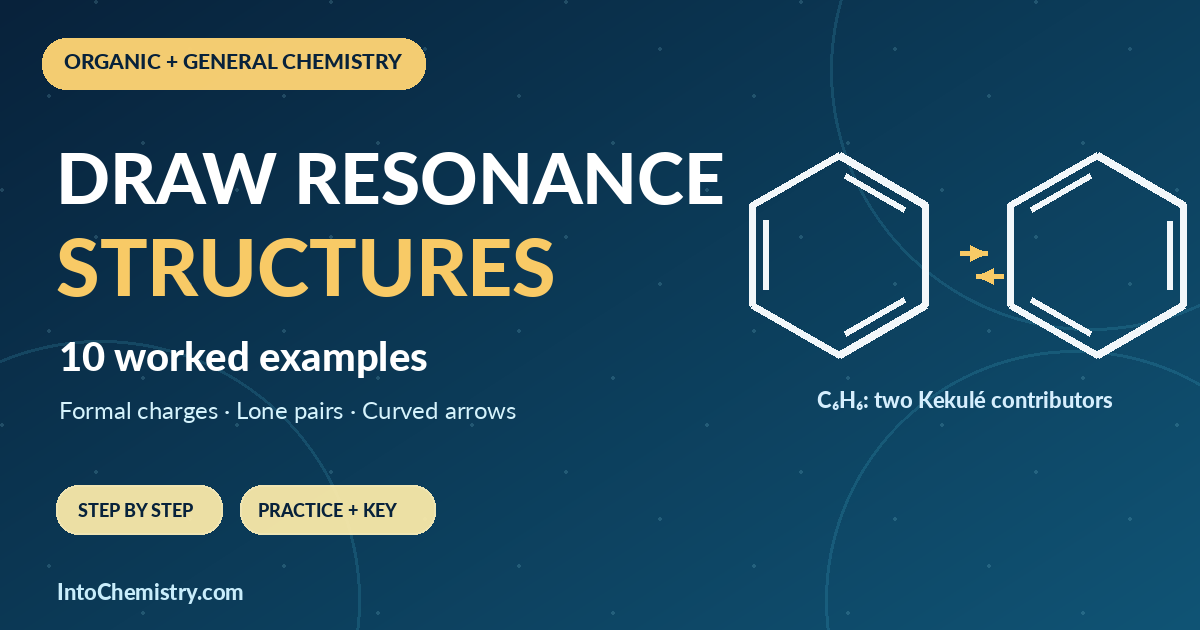
Learn to draw resonance structures with formal charges, curved-arrow rules, 10 illustrated examples, major contributor tips, practice questions, and answers.
-
TLC Troubleshooting: 7 Common Thin-Layer Chromatography Mistakes (and How to Fix Them)
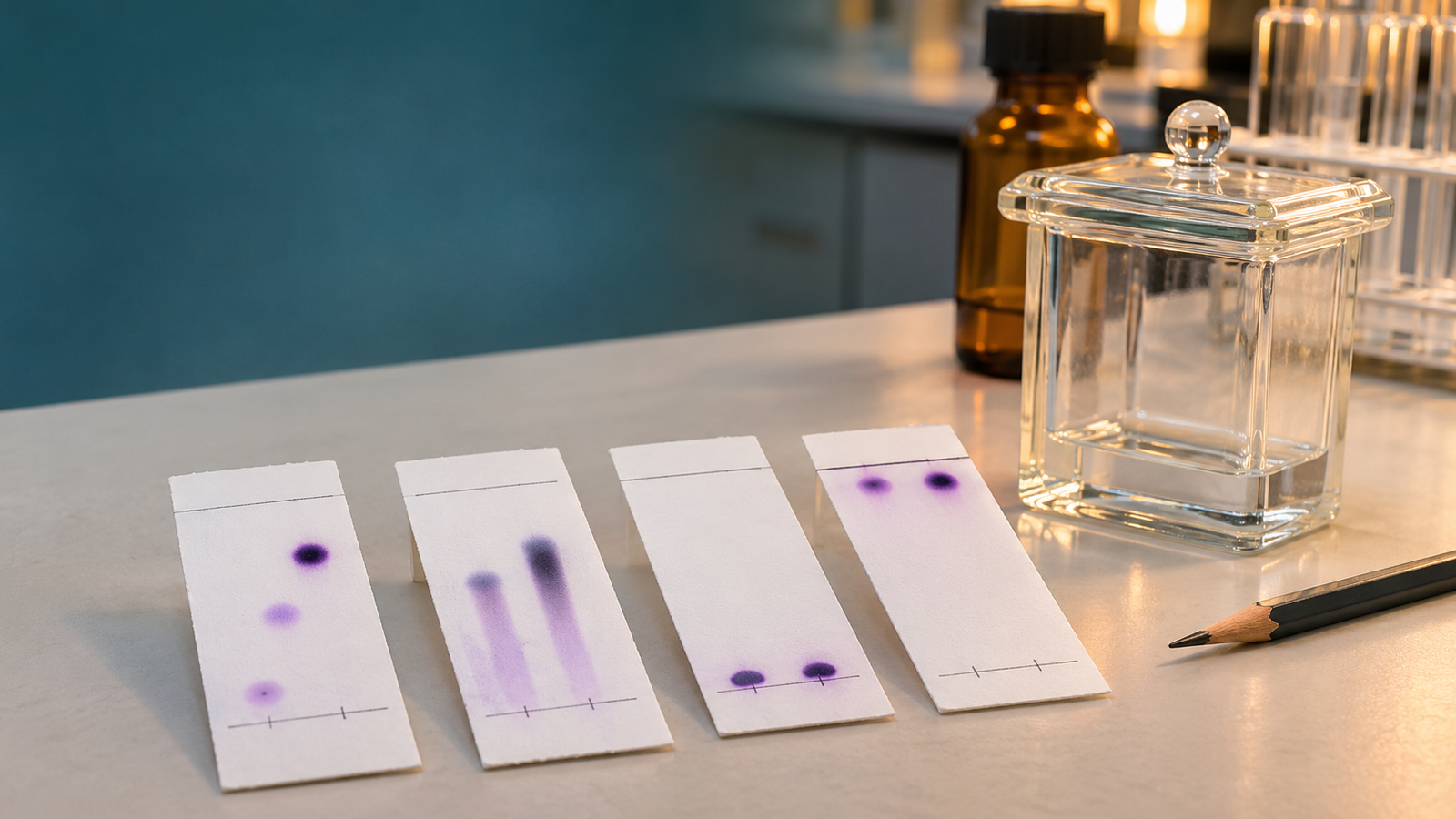
TLC streaking, low or high Rf values, uneven fronts, blank plates and measurement errors explained with 3 original diagrams, a worked Rf example, practical fixes and university references.
-
50 Free MCAT-Style Chemistry Practice Questions (General & Organic)
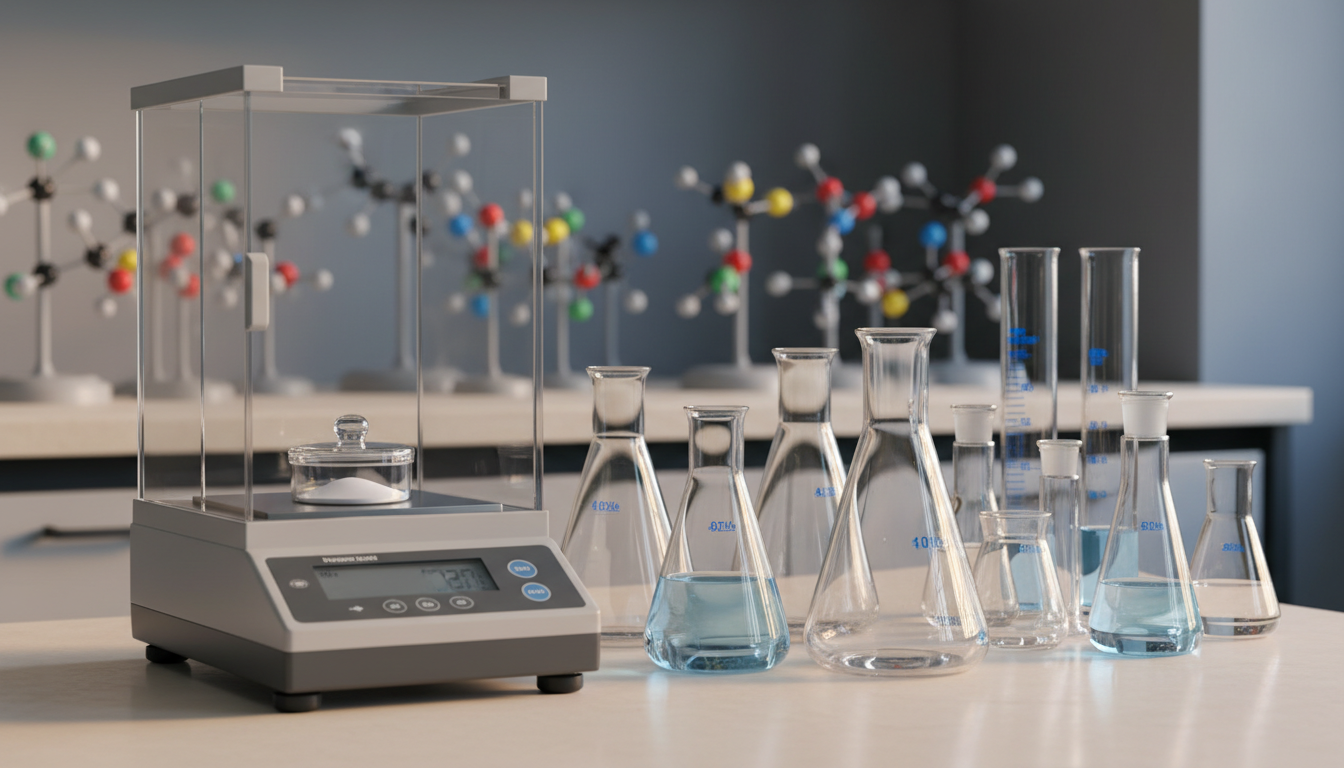
50 original free MCAT-style General and Organic Chemistry questions: 25 per subject, six experimental passages, answer-hidden practice, scoring and explanations.
-
Smart Polymers Explained: The Chemistry of Materials That Respond to Their Environment
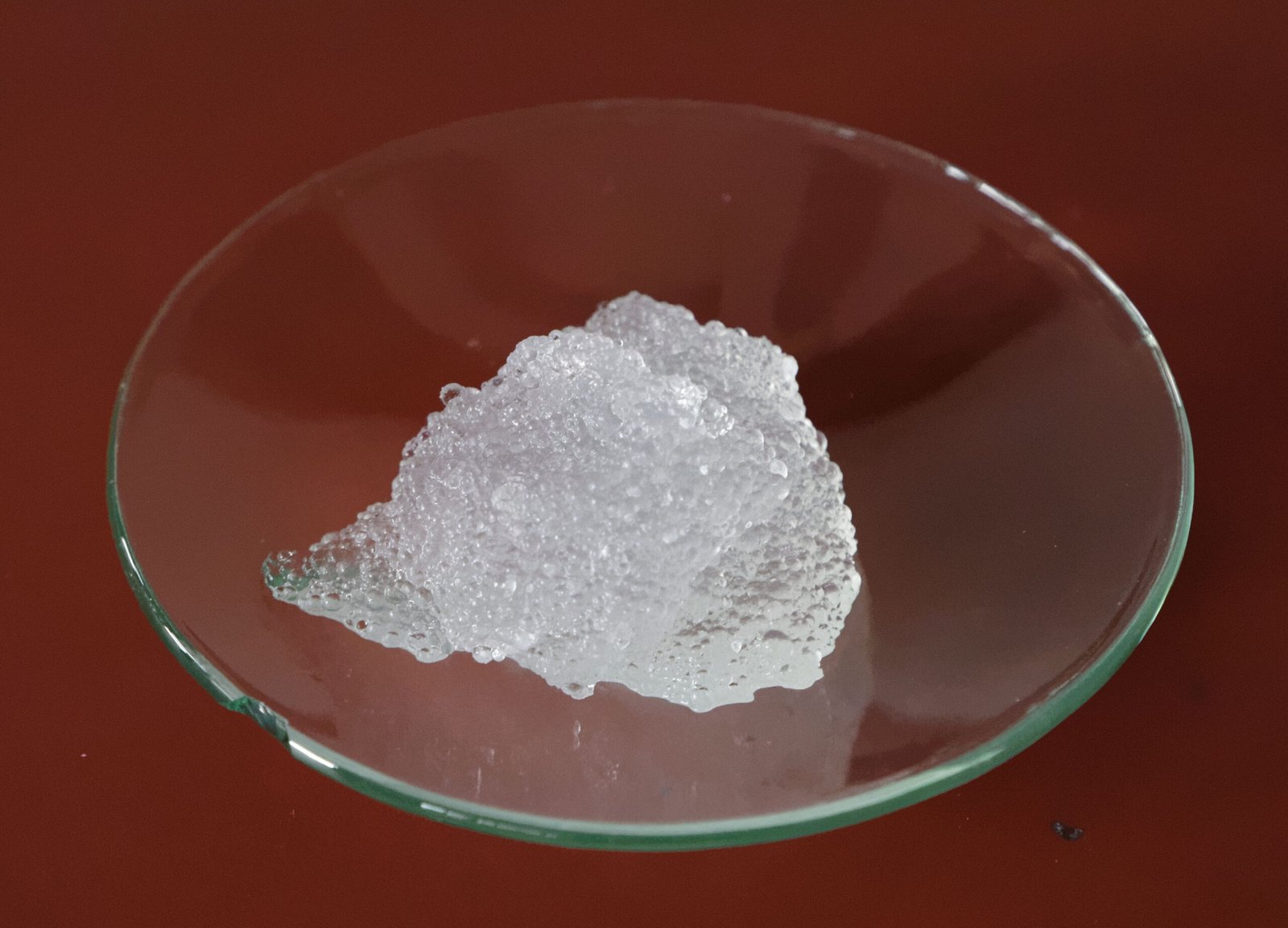
How do smart polymers respond to temperature, pH and damage? Explore PNIPAM, hydrogels, shape-memory materials, peer-reviewed research, real photos and college-level problems.
-
How to Read an IR Spectrum: Step-by-Step Lesson with 12 Spectra
Learn IR spectroscopy using 12 original simulated spectra, peak tables, worked functional-group comparisons, and four practice unknowns with answers.